


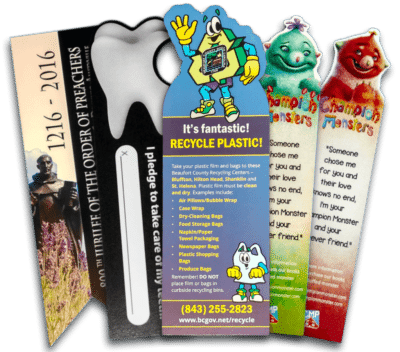
Bookmarks
Die cut bookmarks can use curved edges, decorative silhouettes, tabs, rounded corners and other custom contours that make the piece more distinctive.
Die cutting allows printed pieces to go beyond standard rectangles and straight edges. Custom shapes, windows, cutouts, rounded profiles and specialty contours can help packaging, marketing materials and event pieces stand out while still serving a practical purpose.
Printed pieces can be trimmed to curves, contours and specialty silhouettes instead of standard straight-edge formats.
Interior areas can be removed to reveal products, graphics or other materials underneath.
Slots, tabs, holes, folds and cutouts can support packaging, hanging displays and interactive printed pieces.
A distinctive physical shape can reinforce the design and help a printed piece stand apart from conventional formats.
Die cutting is a finishing process used to cut printed material into shapes that cannot be created with ordinary straight trimming alone.
A cutting form follows a defined path through the printed sheet. Depending on the project, that path may create the outside shape of the piece, remove an interior window, create slots or holes, or form part of a more complex folding structure.
Die cutting is useful when the physical shape of the printed piece contributes to its function, presentation or branding.
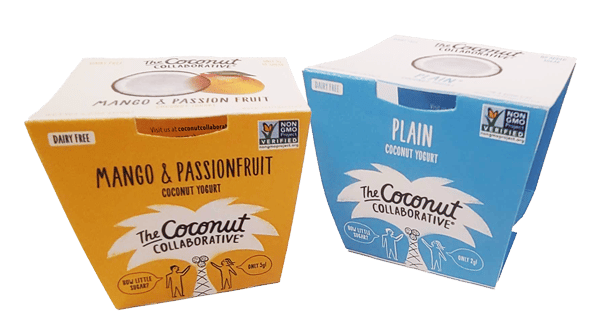
Die cutting can be applied to both decorative and functional printed pieces across marketing, packaging, retail and event applications.
Die cut bookmarks can use curved edges, decorative silhouettes, tabs, rounded corners and other custom contours that make the piece more distinctive.
Custom cut packaging can incorporate windows, locking tabs, openings and shaped edges that support both presentation and product function.
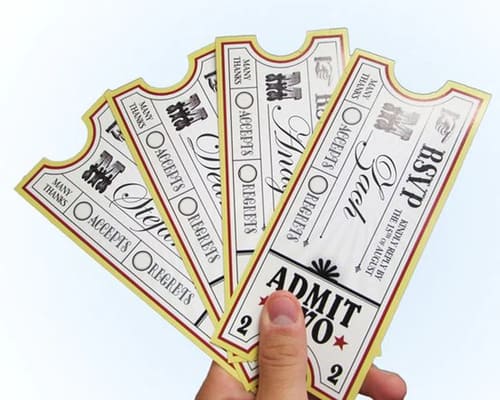
Tickets can incorporate specialty profiles, perforations, numbering, variable information and other production features for events and admissions.
The same finishing principle can be adapted to many printed materials when the stock, shape and production method are appropriate.
Many projects use die cutting because the cut itself performs a practical function.
A custom die cut project normally requires both the printed artwork and a clearly defined cutting path.
Determine the finished size, outer contour and any internal cutouts, holes, windows or slots required by the project.
The cutting path should be created as clean vector artwork so the intended shape can be clearly identified for production.
Keep important text and graphics safely inside the finished shape while extending backgrounds beyond cut edges where bleed is required.
Die lines should remain distinct from printed artwork so production can identify what prints and what represents finishing instructions.
Check narrow sections, small tabs, sharp corners and tight openings to make sure the design is suitable for the selected material and cutting process.
Custom die cut specifications should be reviewed before production because feasibility depends on the complete combination of shape, material, size and finishing.
A successful die cut project treats the physical cut as part of the design rather than as an afterthought.
The strongest concepts often use the shape to reinforce the message or function of the piece. A curved edge can frame a graphic, a window can reveal an important detail, and a custom silhouette can echo a product or brand element.
Keep text, logos and critical graphics away from cut edges and other finishing areas.
Artwork that reaches the edge of the finished shape should extend beyond the cutting path.
Very intricate shapes, narrow areas and extremely tight corners may require adjustment for reliable production.
The same shape may behave differently depending on paper thickness, coating, synthetic material or other stock characteristics.
Depending on the project, die cutting may be only one part of the finished piece.
Because die cut work is highly project-specific, providing clear specifications helps determine the most appropriate production method.
Provide the approximate width and height along with a description or drawing of the intended final shape.
Include the number of finished pieces required because quantity can affect the most practical production approach.
Specify the stock if known, or describe how the piece will be used so an appropriate material can be discussed.
Indicate whether the project prints one side or two sides, uses full color or has other special print requirements.
Mention folds, scores, perforations, holes, coatings, variable data or other features required in addition to die cutting.
Attach artwork, a die line, sketch or reference whenever available so the proposed shape can be reviewed accurately.
Die cut printing combines printed artwork with a finishing process that cuts the material into a custom shape or creates features such as windows, slots, holes and other openings.
Yes. Custom shapes can be reviewed based on the size, material, quantity, complexity and other production requirements of the project.
Die cutting can be used for many printed products including bookmarks, business cards, hang tags, tickets, folders, packaging sleeves, gift card holders, door hangers and other specialty pieces.
A die line is the vector path that identifies where the printed material should be cut, scored or otherwise finished. It serves as a production guide and should remain separate from artwork intended to print.
Yes, when a background, photograph or other printed element is intended to extend to the finished cut edge, the artwork should normally extend beyond the die line to provide bleed.
Yes. Depending on the project, die cutting can create interior windows, openings, slots, holes and other functional features in addition to the outer shape.
Yes. Custom projects can combine die cutting with scoring, folding, perforation and other finishing processes when the specifications are suitable for production.
Submit a custom quote request with the finished size, quantity, material, printing requirements, desired shape and any artwork or reference files available. MMPrint can then review the specifications and determine the appropriate production approach.
Send MMPrint your dimensions, quantity, material requirements and artwork or concept. We can review the project and provide custom die cut printing pricing.